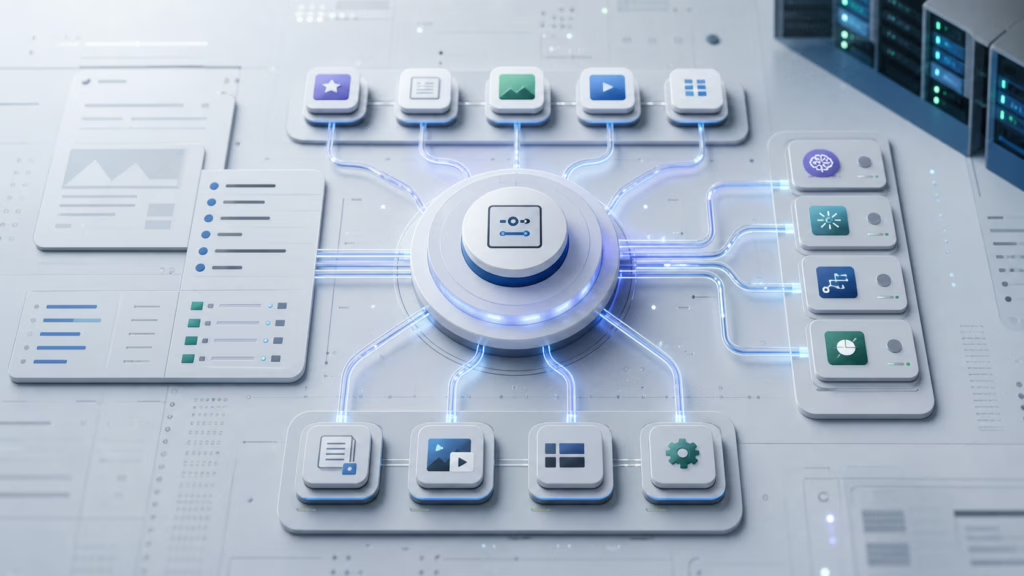
WordPress AI Connectors Are Operational Infrastructure Now
WordPress 7.0 makes AI feel like a feature release, but the operator story is connectors, abilities, permissions, and upgrade discipline.
WordPress 7.0 makes AI feel like a feature release, but the operator story is connectors, abilities, permissions, and upgrade discipline.
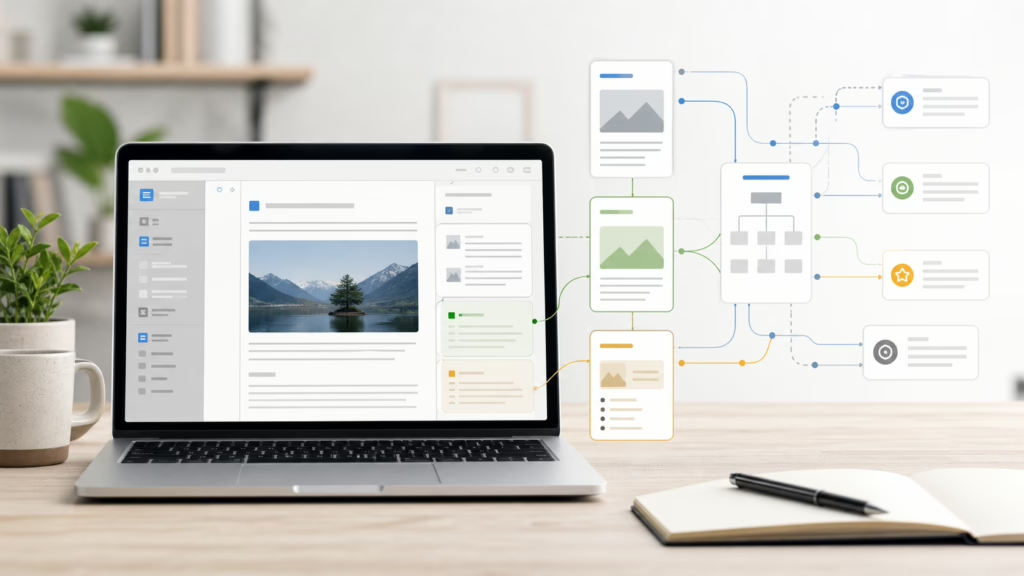
AI search does not need a new pile of hacks. For small WordPress sites, the better move is to build crawlable, specific, evidence-backed pages that answer real questions better than generic SEO sludge.
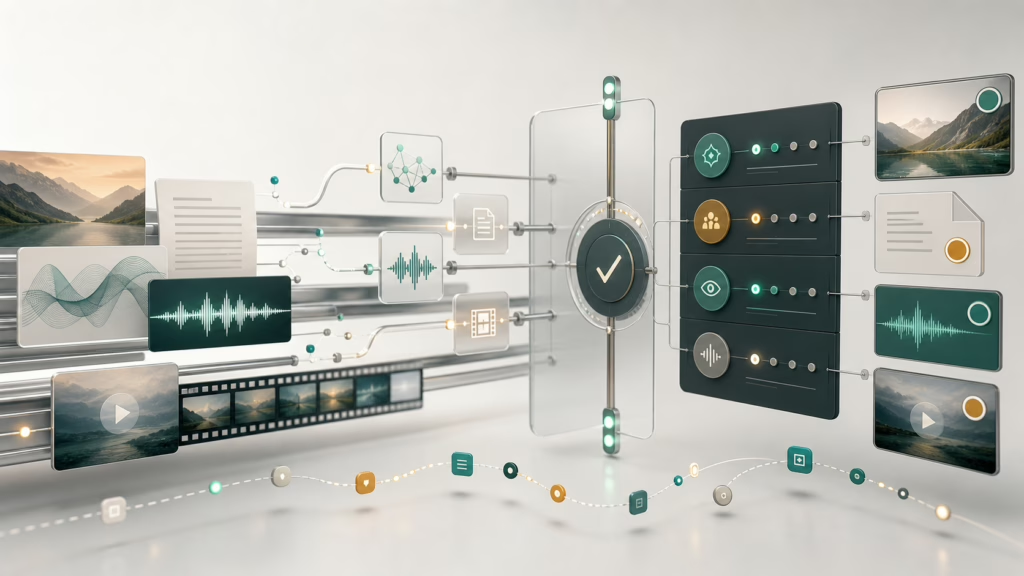
The European Commission’s June 10 Code of Practice for AI-generated content did not get the loudest tech headlines. It should have. It turns AI labels into product, metadata, editorial, accessibility, and compliance work before the AI Act transparency obligations apply on August 2, 2026.

CISA’s BOD 26-04 and FedRAMP’s June 2026 response quietly move federal vulnerability management away from flat severity queues and toward exposure, exploitation, exploit automation, and real technical impact. That is a useful signal for everyone else.
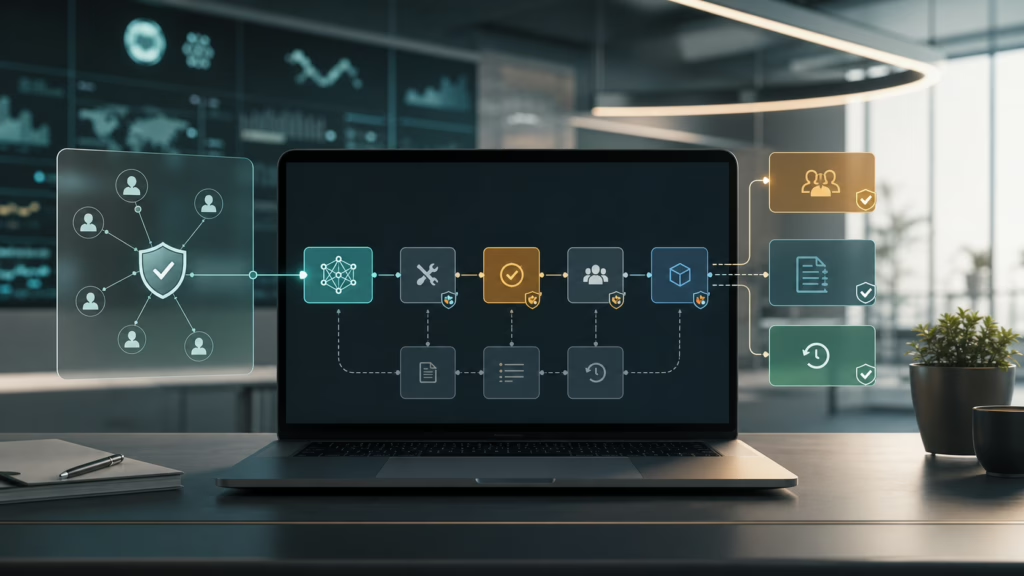
Stop trying to make AI agents safe with longer prompts. If an agent can use tools, edit files, call APIs, or send messages, it needs the same boring controls we expect from production systems: scoped permissions, visible tools, approval gates, logs, rollback paths, and change windows.
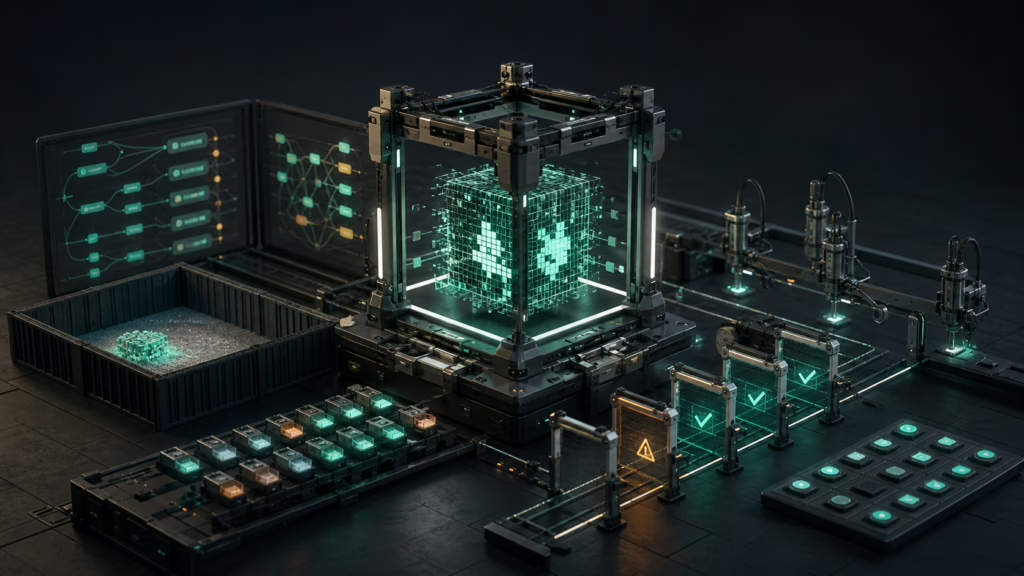
Cisco’s Foundry Security Spec is not a scanner. It is a blueprint for turning AI bug hunting into a bounded, evidence-gated security evaluation system. Here is what a practical harness around it would actually need.
Recent critical Linux and Windows vulnerabilities show why old protocols, update systems, identity services, and management planes have become primary attack surfaces.
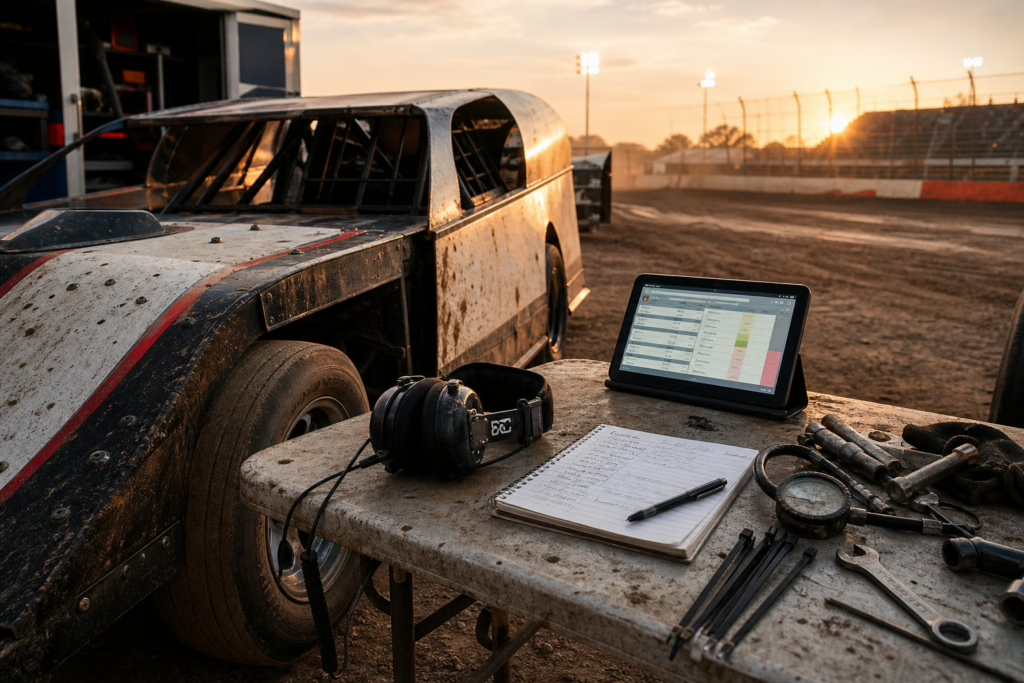
Grassroots racing runs on practical technology: raceceivers, transponders, lineups, timing loops, setup notes, live results, and rulebooks that know exactly where useful tools become expensive nonsense.
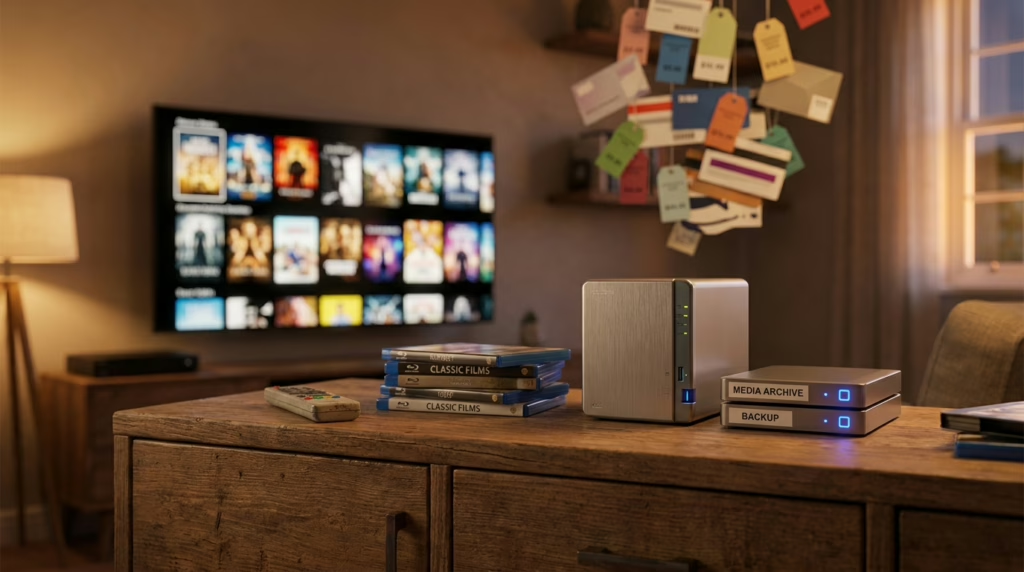
Streaming is still convenient, but the bargain has changed. Prices are up, ads are back, catalogs move, and your watchlist is not a library. A small personal media setup is the practical escape hatch.
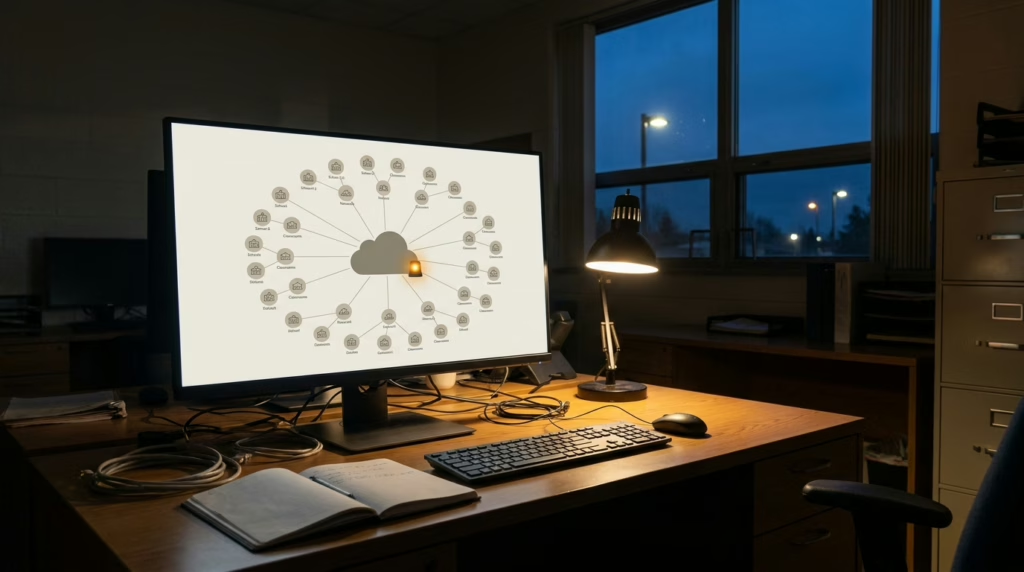
The Instructure/Canvas incident is not just another breach headline. It is a reminder that schools now inherit operational risk from the vendor platforms they depend on every day.