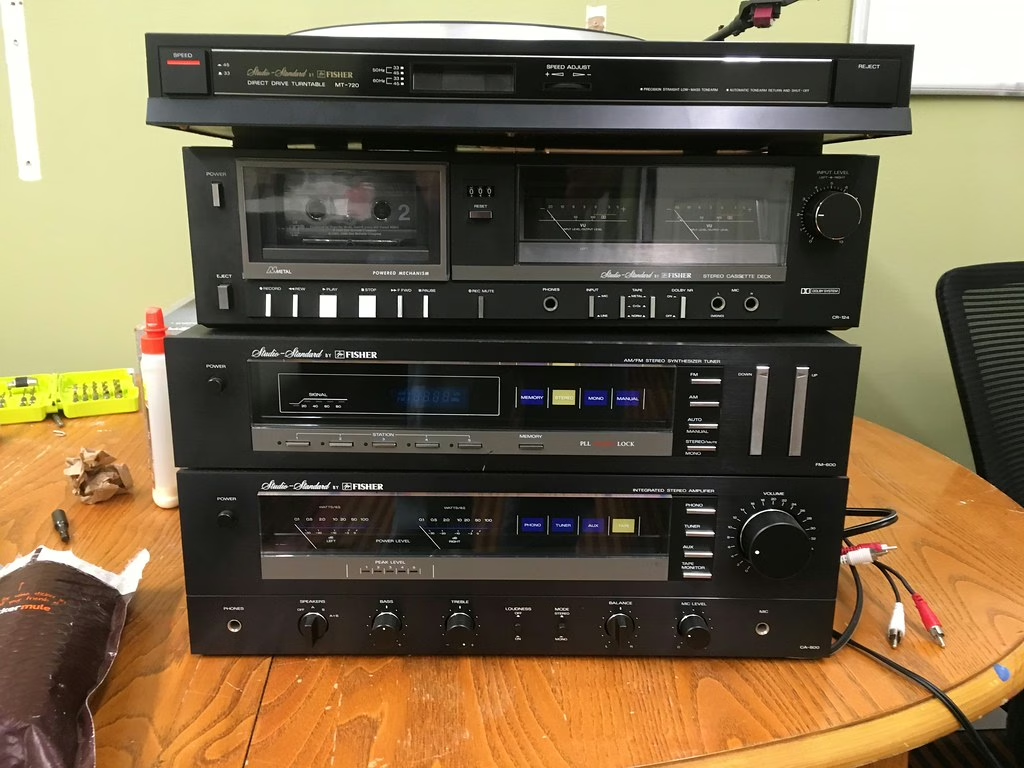
From Request to Cinema: Mapping the Homelab Pipeline
A real media stack does not start with Plex. It starts with requests, automation, cleanup, and the boring system layers that turn a pile of tools into something people can actually use.

A real media stack does not start with Plex. It starts with requests, automation, cleanup, and the boring system layers that turn a pile of tools into something people can actually use.

EmuDeck save sync is one of those features that instantly makes a Steam Deck setup feel smarter instead of more fragile. Here’s how CloudSync and CloudBackup work, when to use Google Drive vs Nextcloud, and how to set it up without making your saves the weak point.
The filter I use to judge AI tools after the demo: reliability, failure handling, integration friction, oversight, cost, and actual usefulness.
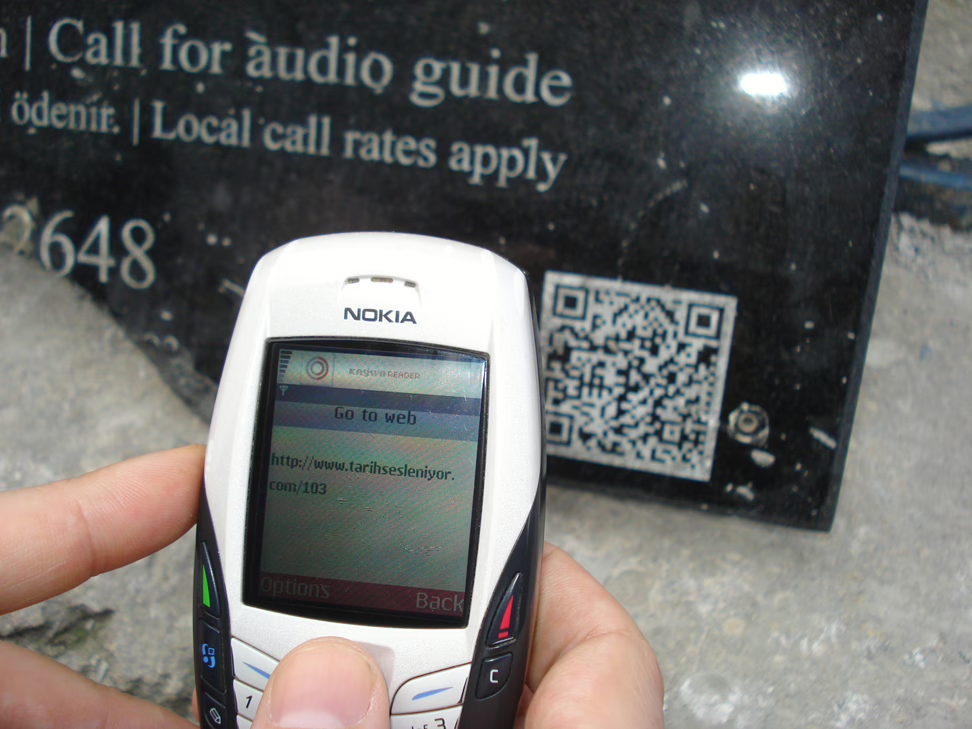
The market for simple web utilities is often dominated by tools that prioritize user capture and monetization over core functionality. simpleQR was built as a counter-example: a direct, transparent tool for generating QR codes without the friction of commercial funnels.

The best Plex settings depend on local vs remote use, bitrate, subtitles, and client behavior—not one fake universal preset.
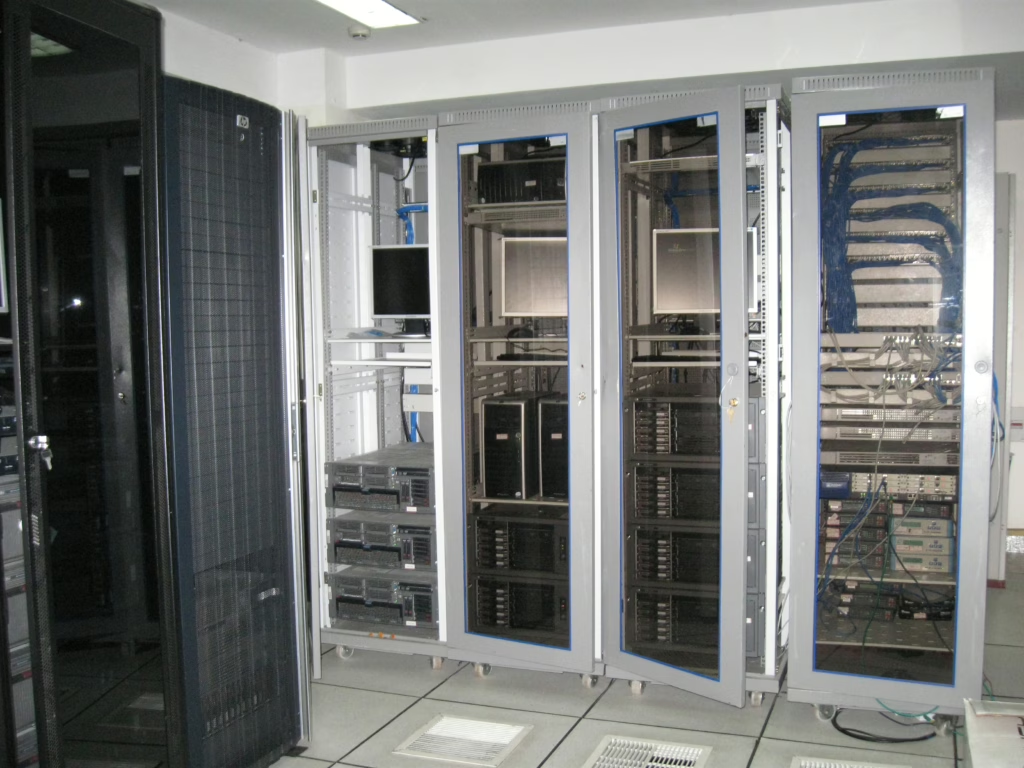
A practical self-hosting maintenance guide covering documentation drift, backups, storage health, DNS, monitoring, updates, and recovery habits.
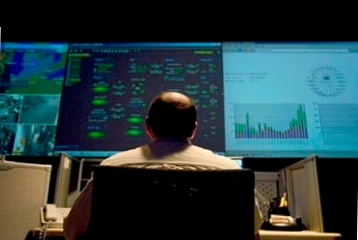
A practical look at the homelab monitoring stack I trust: what each tool does, where overlap becomes noise, and how to build alerts that actually help when something breaks.

If Plex looks blurry on good hardware, use this source-backed checklist to check quality settings, Direct Play, transcoding, subtitles, Relay, remote limits, Wi-Fi, and client compatibility before blaming the TV or server.
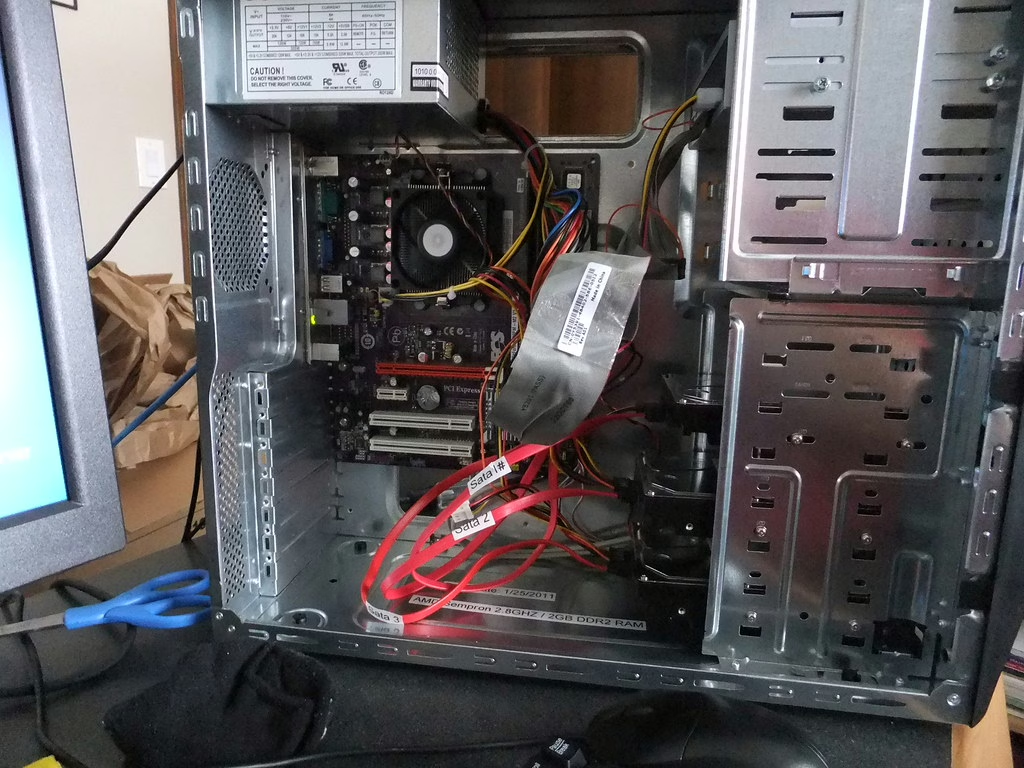
How I split my homelab into separate compute and storage roles, what runs where, and why the boundary makes maintenance, experiments, and recovery easier to manage.
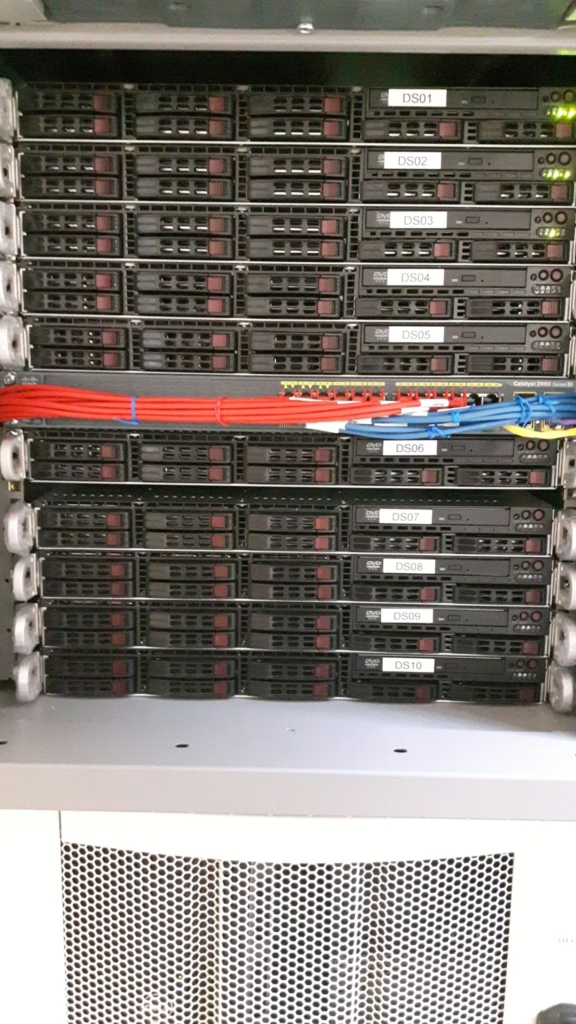
Why I split compute, storage, and operational risk into a split-stack homelab architecture built around failure domains, deliberate exposure, and recoverable services.