
Debian 12 LTS Is a Coverage Audit, Not a Snooze Button
Debian 12 is under LTS through June 2028, but the date does not cover every package or architecture. Audit the host before deciding to stay or upgrade.
Self-hosting, homelab design, maintenance, backups, monitoring, and practical notes from running services at home.
Start here: use the Self-Hosting guide hub for the curated map. For the maintenance mindset, read Self-Hosting Maintenance. For remote access decisions, start with Self-Hosting Remote Access. For backups, read Self-Hosting Backups and Recovery.
Debian 12 is under LTS through June 2028, but the date does not cover every package or architecture. Audit the host before deciding to stay or upgrade.

Let’s Encrypt’s shorter certificate schedule will expose brittle cron jobs, manual challenges, and broken reload hooks. Audit the whole renewal path now.
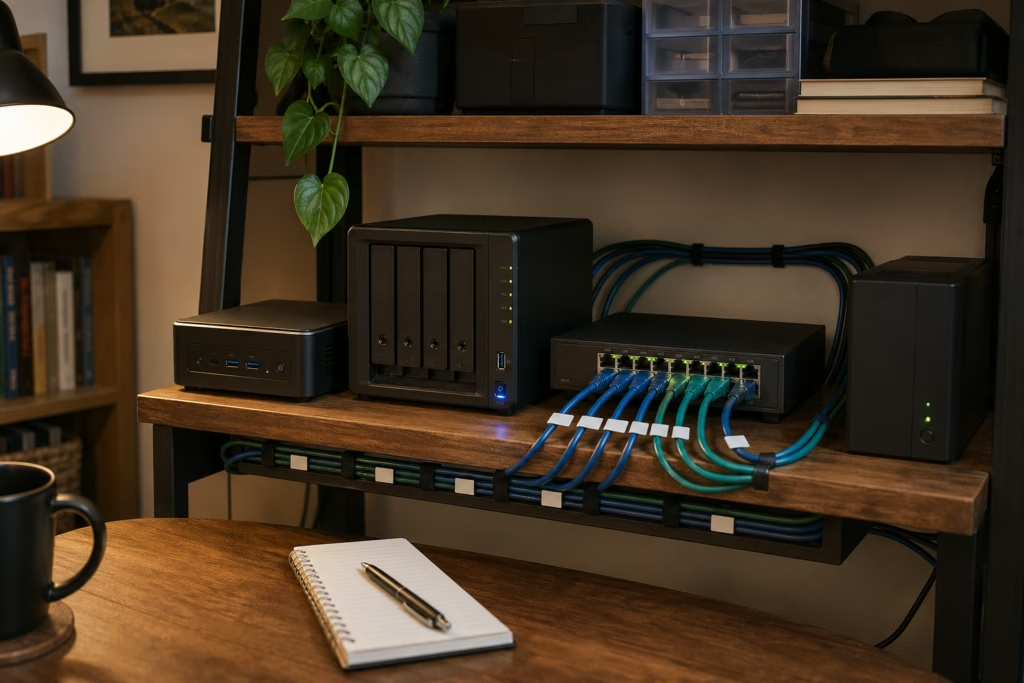
Build the homelab you can actually maintain. Why clarity, documentation, tested restores, safe exposure, and boring defaults matter more than complexity that only looks impressive from the outside.
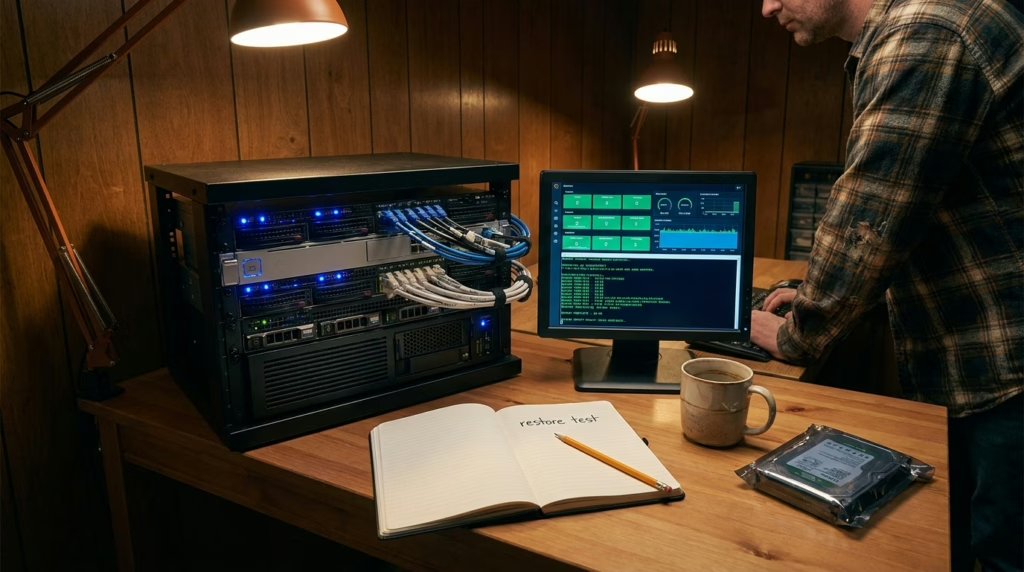
Self-hosting can be real independence, but only when the maintenance plan is honest. Before you depend on a service, know how it updates, backs up, restores, logs, and exits.
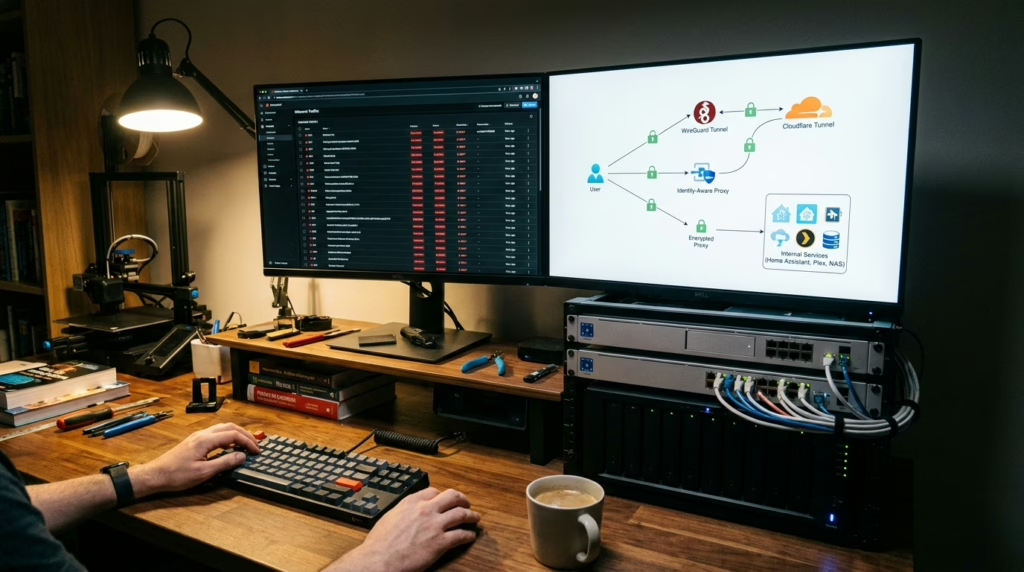
Port forwarding still has a place, but private admin tools and semi-private apps deserve safer defaults: VPNs, tunnels, and deliberate exposure.

Azure MCP Server 2.0, Cloudflare’s MCP guidance, and the 2026 MCP roadmap all point to the same shift: agent tooling is becoming infrastructure, not just demos.
A real media stack does not start with Plex. It starts with requests, automation, cleanup, and the boring system layers that turn a pile of tools into something people can actually use.

EmuDeck save sync is one of those features that instantly makes a Steam Deck setup feel smarter instead of more fragile. Here’s how CloudSync and CloudBackup work, when to use Google Drive vs Nextcloud, and how to set it up without making your saves the weak point.
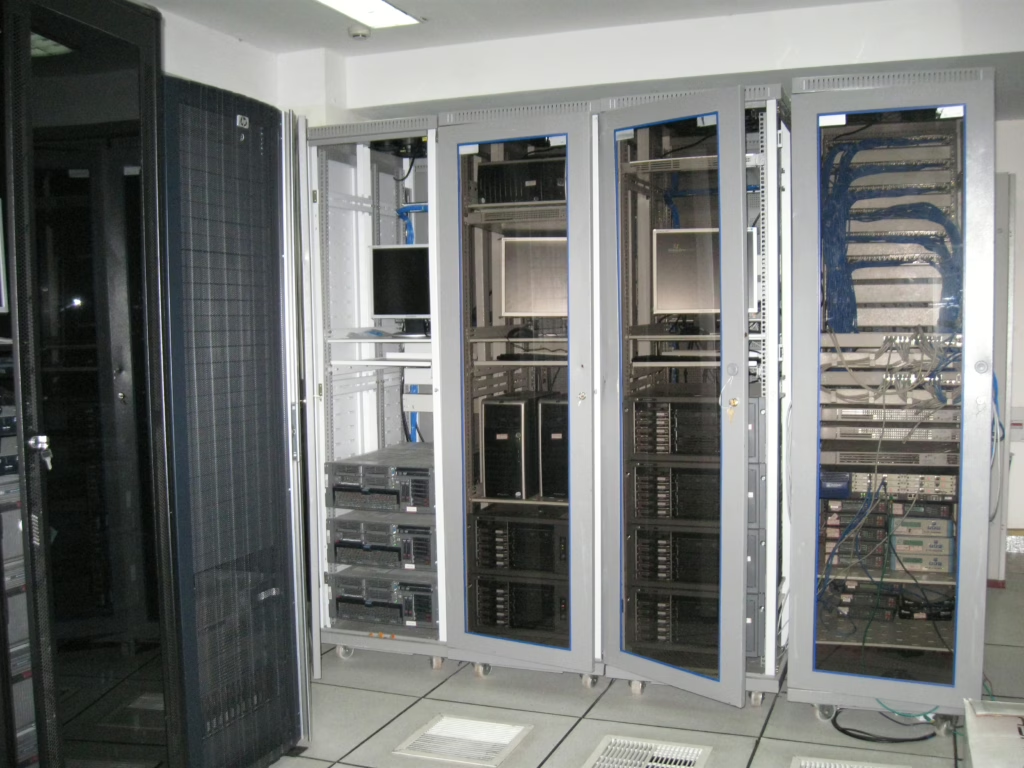
A practical self-hosting maintenance guide covering documentation drift, backups, storage health, DNS, monitoring, updates, and recovery habits.

The best Plex settings depend on local vs remote use, bitrate, subtitles, and client behavior—not one fake universal preset.