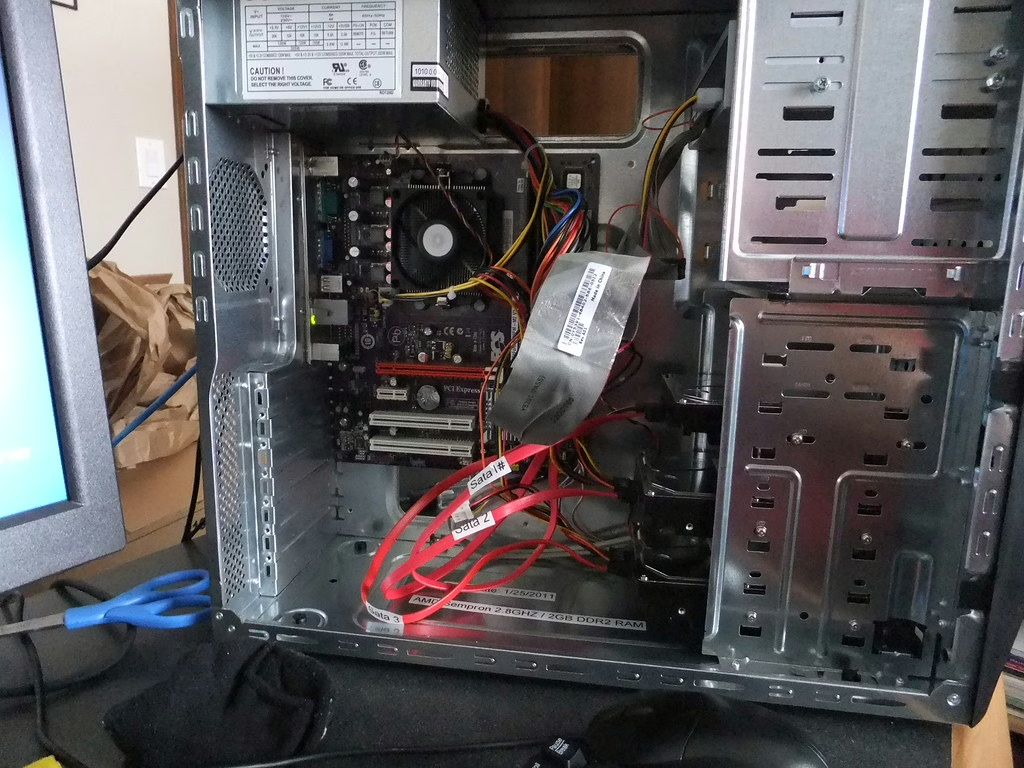
Service Host vs Memory Host: Why I Split My Stack Instead of Building One Giant Box
How I split my homelab into separate compute and storage roles, what runs where, and why the boundary makes maintenance, experiments, and recovery easier to manage.
Self-hosting, homelab design, maintenance, backups, monitoring, and practical notes from running services at home.
Start here: use the Self-Hosting guide hub for the curated map. For the maintenance mindset, read Self-Hosting Maintenance. For remote access decisions, start with Self-Hosting Remote Access. For backups, read Self-Hosting Backups and Recovery.
How I split my homelab into separate compute and storage roles, what runs where, and why the boundary makes maintenance, experiments, and recovery easier to manage.

If Plex looks blurry on good hardware, use this source-backed checklist to check quality settings, Direct Play, transcoding, subtitles, Relay, remote limits, Wi-Fi, and client compatibility before blaming the TV or server.
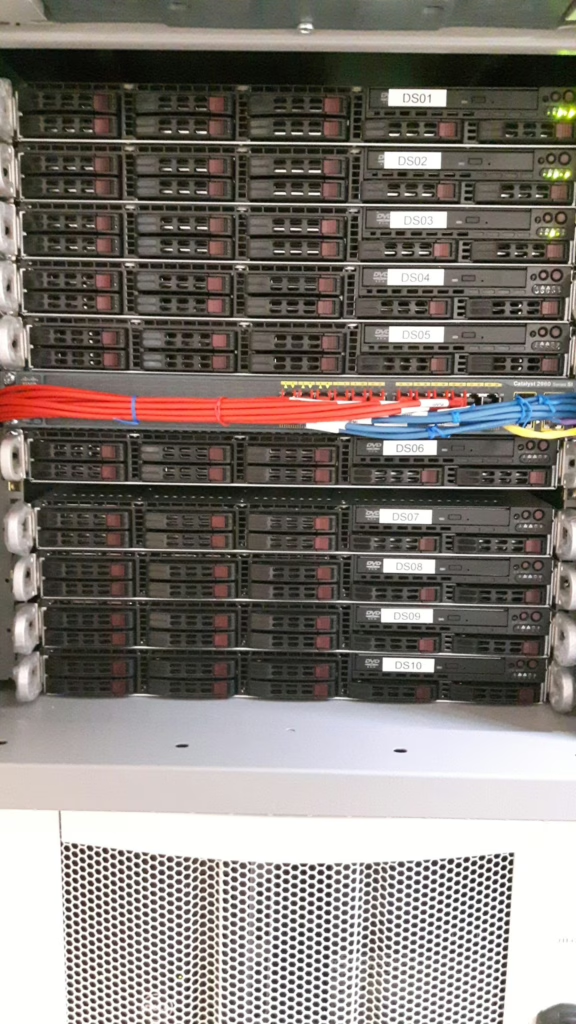
Why I split compute, storage, and operational risk into a split-stack homelab architecture built around failure domains, deliberate exposure, and recoverable services.

Build a beginner homelab with Proxmox, Unraid, Plex, Tailscale, and self-hosted tools without turning the first setup into a science project.
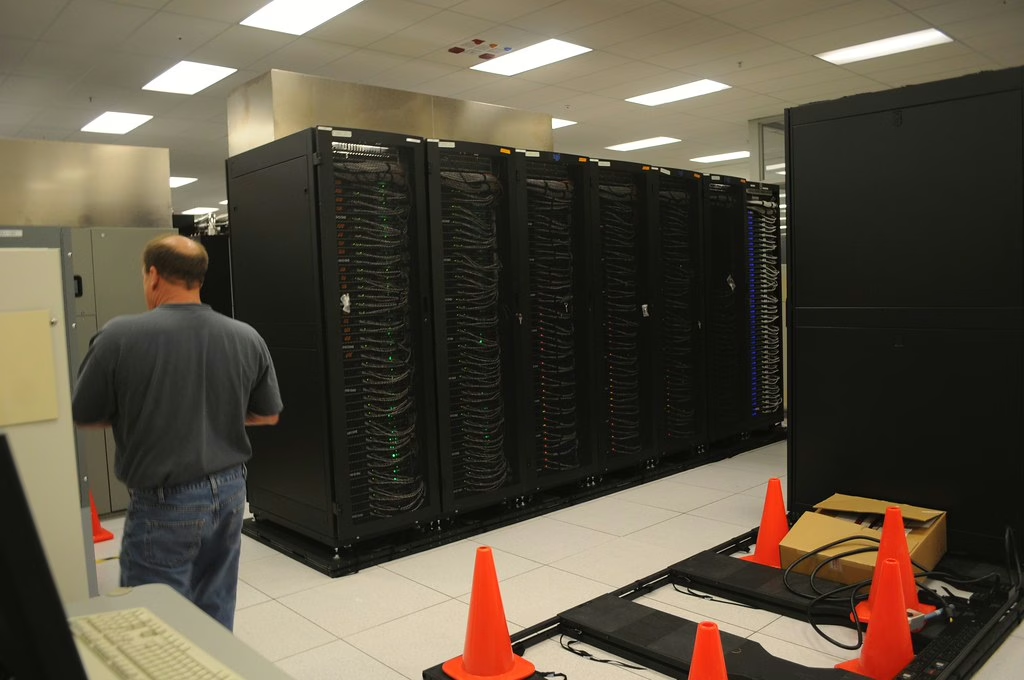
Cloud repatriation is not a panic retreat from public cloud. It is a workload-placement correction driven by cost visibility, vendor risk, data gravity, AI compute, and compliance.
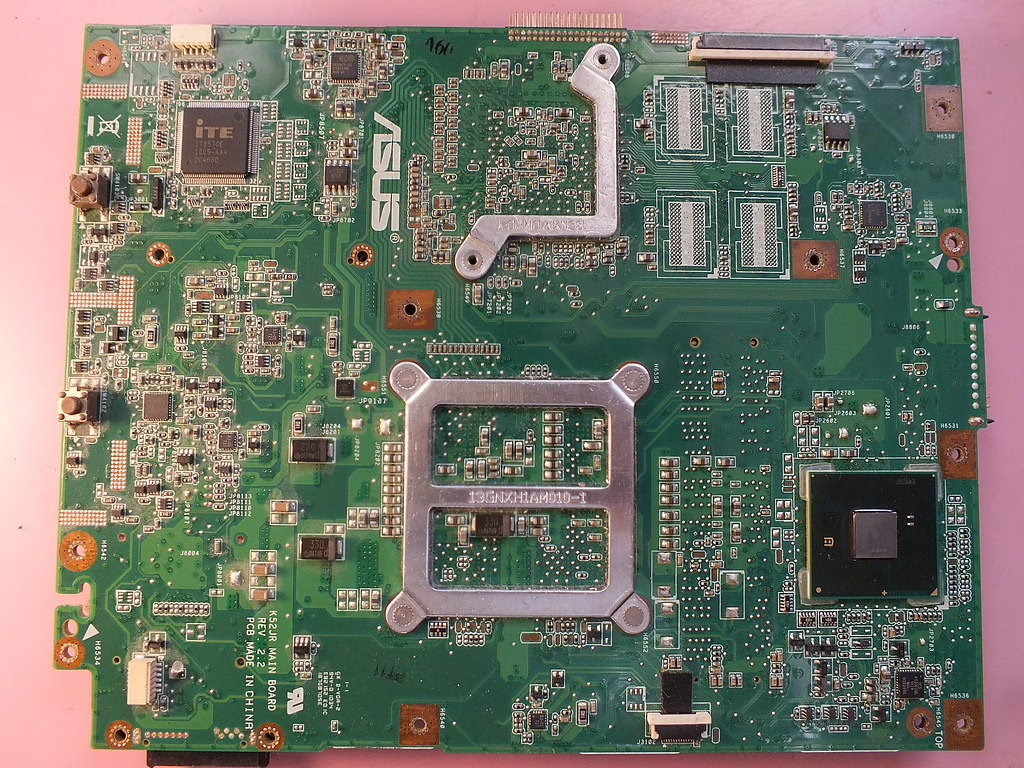
Local AI is no longer just a hobbyist trick. Better hardware, useful open models, and simpler tools are making on-device inference practical for private, repeatable, everyday work — while cloud models still matter for frontier capability.
Homelab builders are not magically immune to AI hype, but the habits they learn from running real systems — failure, maintenance, boundaries, and blast radius — matter more as agents get faster.
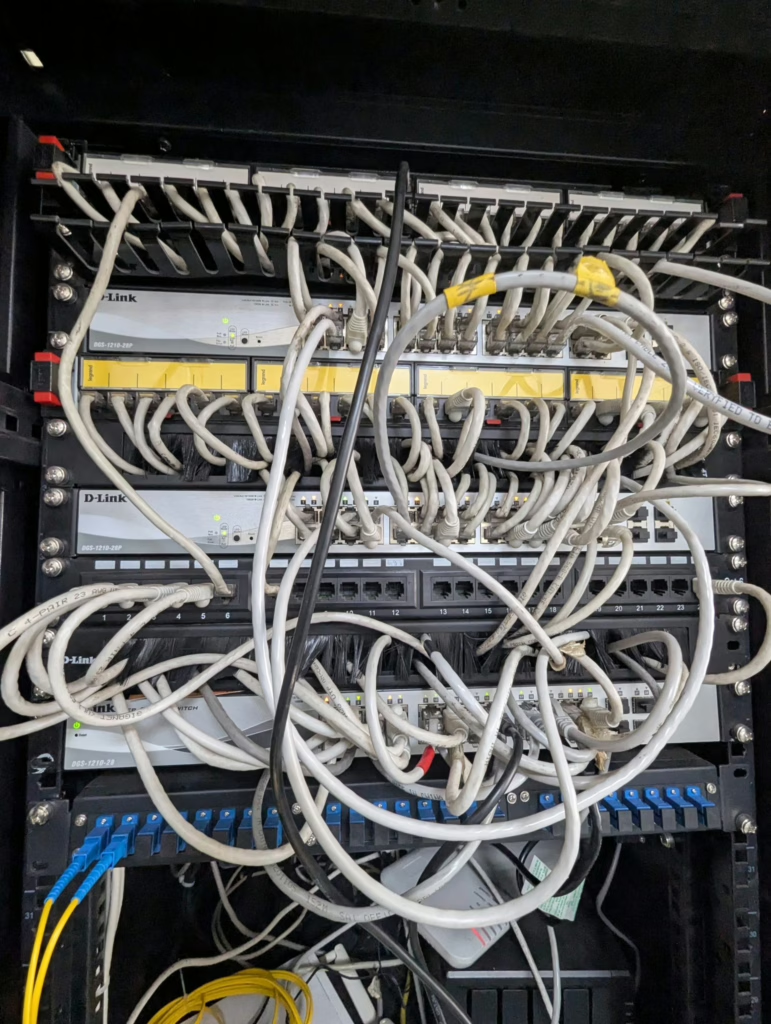
AI agents are making setup, glue work, and first drafts cheaper. That can sting if homelab work shaped your identity, but the real value was always judgment.

SaaS tools are useful until the costs, data risk, and lock-in start running the show. Open source, self-hosting, and local AI are not about rejecting the cloud. They are about choosing control where it actually matters.