
Browser AI Agents Need Better Boundaries
Browser-connected AI agents can be useful, but they operate inside the same trusted workspace as email, SaaS, documents, and admin panels. Treat them like privileged access, not harmless overlays.
Reliability, monitoring, architecture, verification, access, and maintenance for systems that need to stay understandable and recoverable.
Start here: visit the Systems & Ops Hub, read The Monitoring Stack I Actually Trust for monitoring, or read The Vercel Incident Wasn’t an “AI Breach” for a practical third-party access lesson.
Browser-connected AI agents can be useful, but they operate inside the same trusted workspace as email, SaaS, documents, and admin panels. Treat them like privileged access, not harmless overlays.

Build a beginner homelab with Proxmox, Unraid, Plex, Tailscale, and self-hosted tools without turning the first setup into a science project.

AI coding assistants can be useful, but they do not remove the hard parts of software engineering. Teams still need review, tests, refactoring, and clear ownership if they want generated code to survive contact with production.
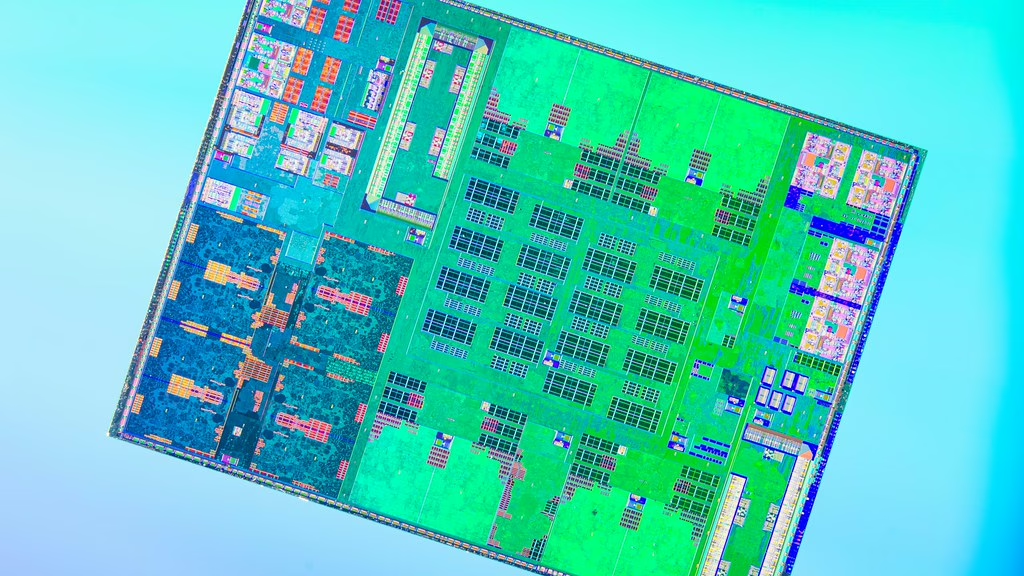
AI scaling is hitting its first physical ceiling. The bottleneck is no longer GPU availability, but the kilowatts, cooling, and land use required to support 2-gigawatt data centers.
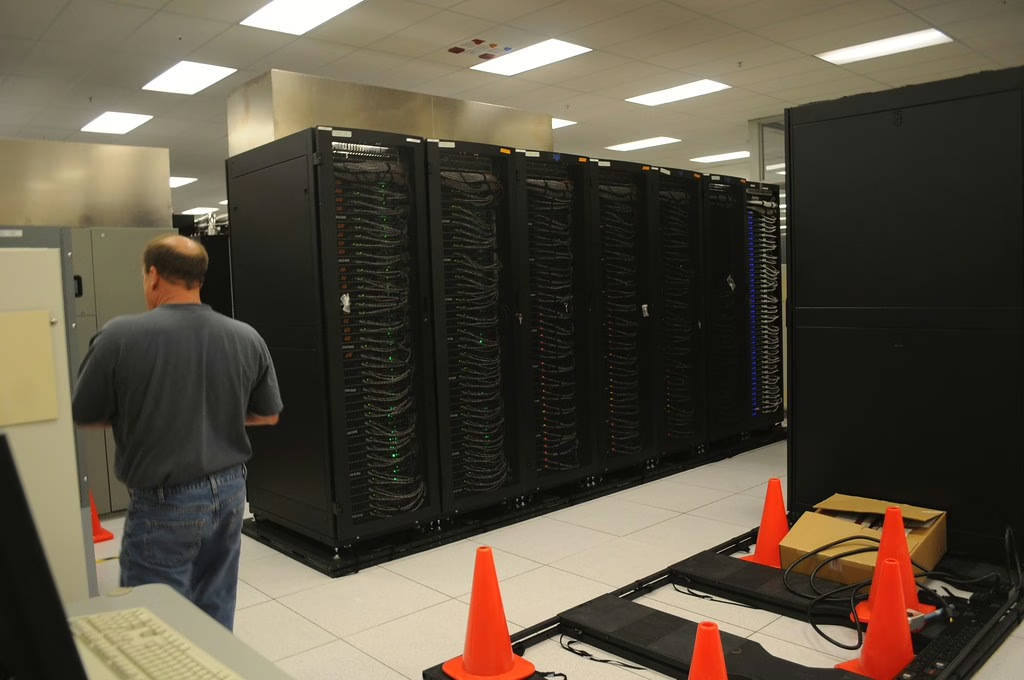
Cloud repatriation is not a panic retreat from public cloud. It is a workload-placement correction driven by cost visibility, vendor risk, data gravity, AI compute, and compliance.

AI agents can be useful infrastructure helpers, but production access changes the stakes. A real Terraform deletion incident shows why prompts are not permissions — and why boring guardrails matter before the demo gets root keys.

Large context windows are changing how developers use AI, but more tokens do not replace architecture. The best AI coding workflows still need clear boundaries, targeted context, tests, and reviewable intent.
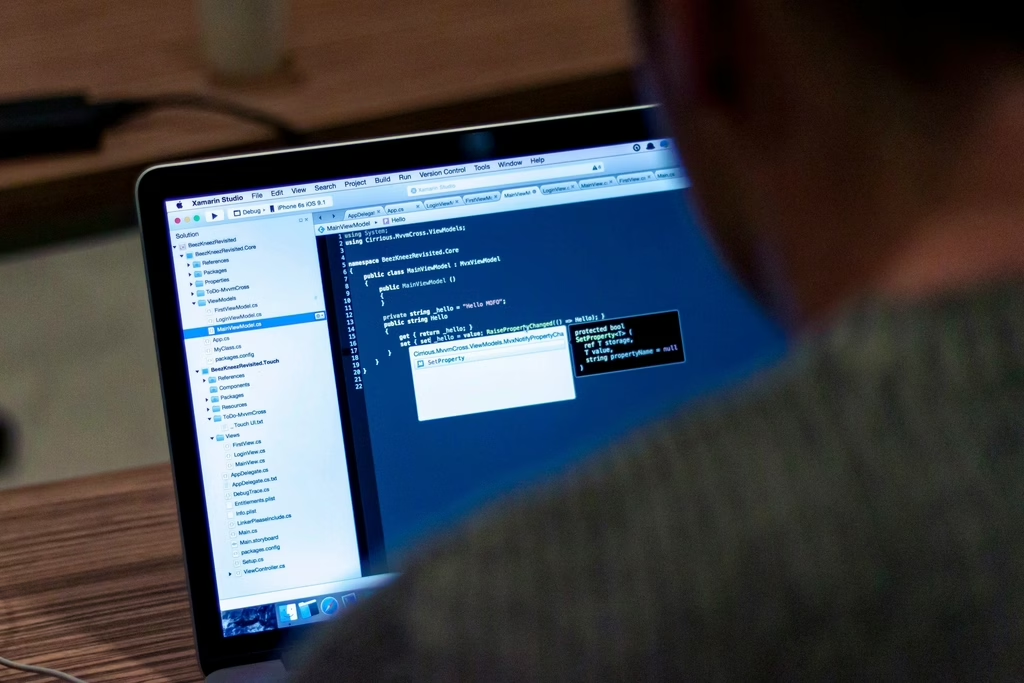
AI coding tools can save real time, but they do not remove the need for context, review, testing, and maintenance discipline. The useful path is not rejection or blind trust. It is a better verification loop.
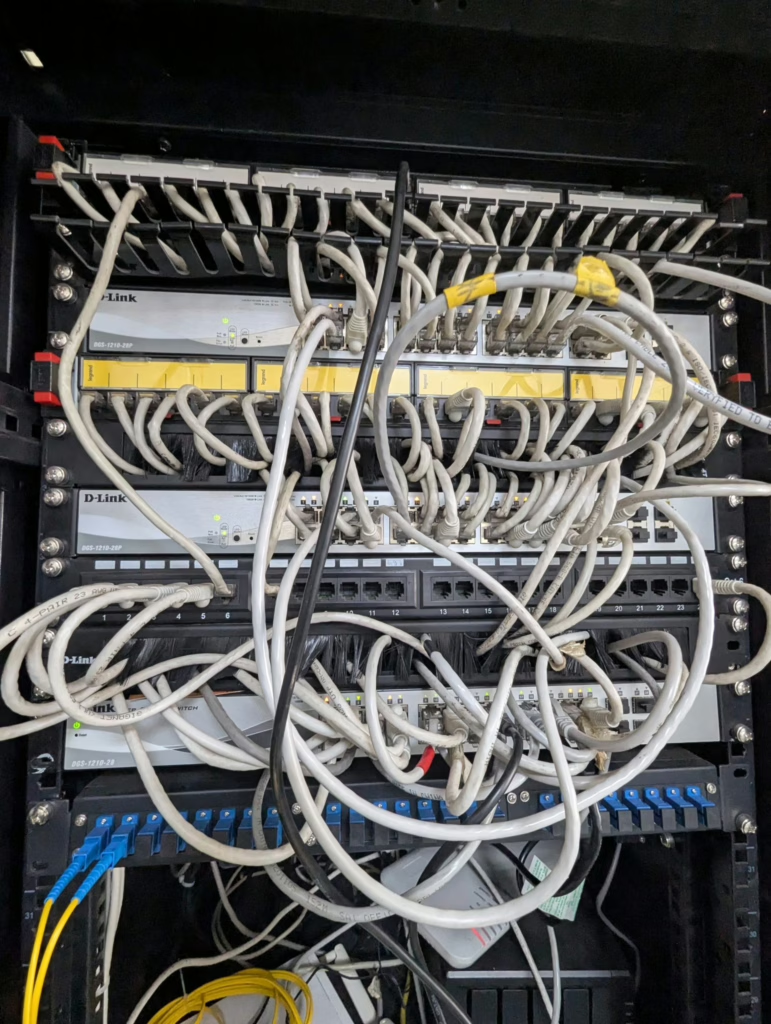
AI agents are useful because they act. That is also why they need stop buttons, approval gates, scoped permissions, logs, and human control.
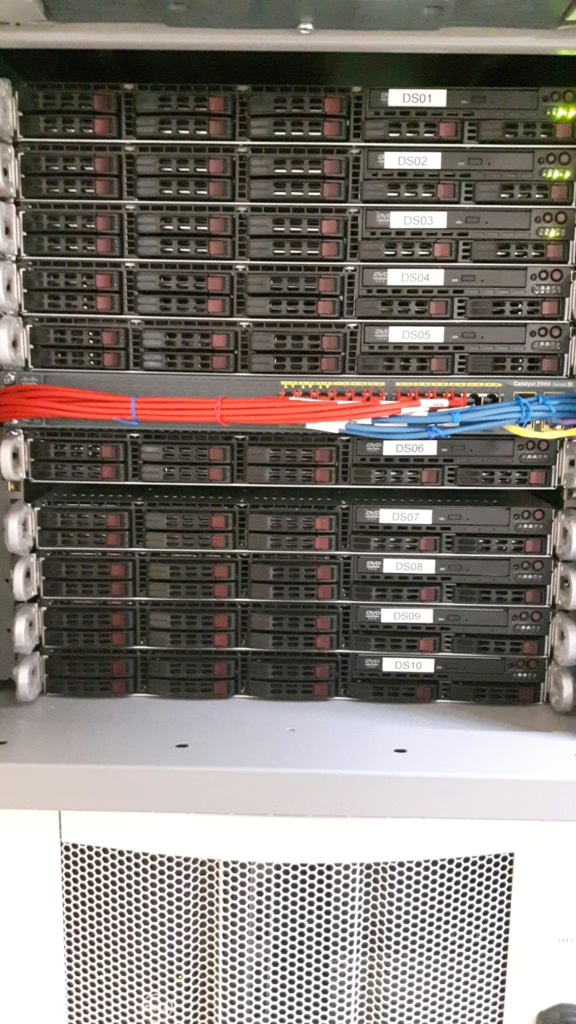
Homelab builders are not magically immune to AI hype, but the habits they learn from running real systems — failure, maintenance, boundaries, and blast radius — matter more as agents get faster.